![[Translate to EN:] Banner Stiftung](/fileadmin/_processed_/b/c/csm_banner-stiftung_fee6c1c492.jpg)
The expedition was carried out within the framework of the IKI project “One Health in nature conservation in Central Asia”. Its main objective was to assist both States Parties in preparing the Request for a Preliminary Assessment, which is scheduled for submission to UNESCO World Heritage Centre in September 2026. The Preliminary Assessment is an essential first step in the two-phase nomination process towards possible inscription on the World Heritage List.
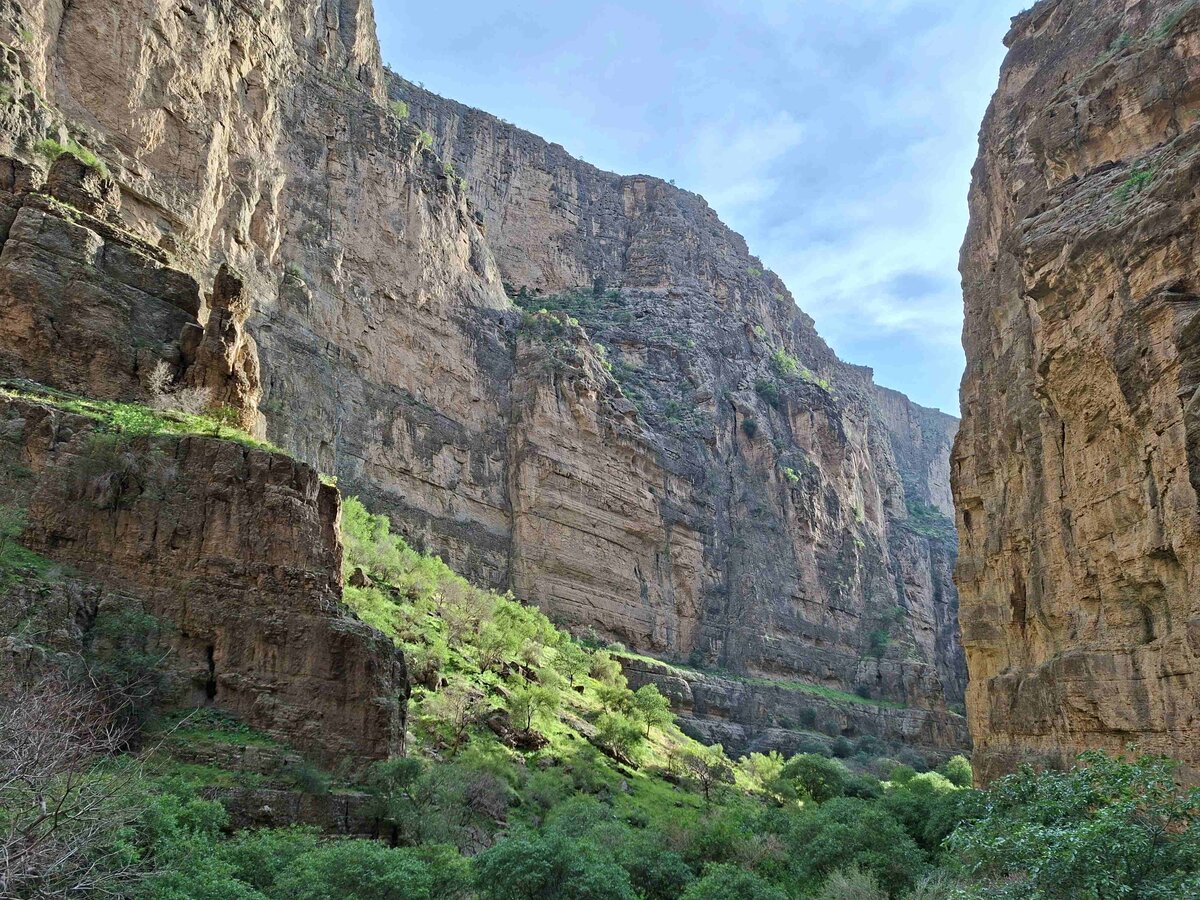
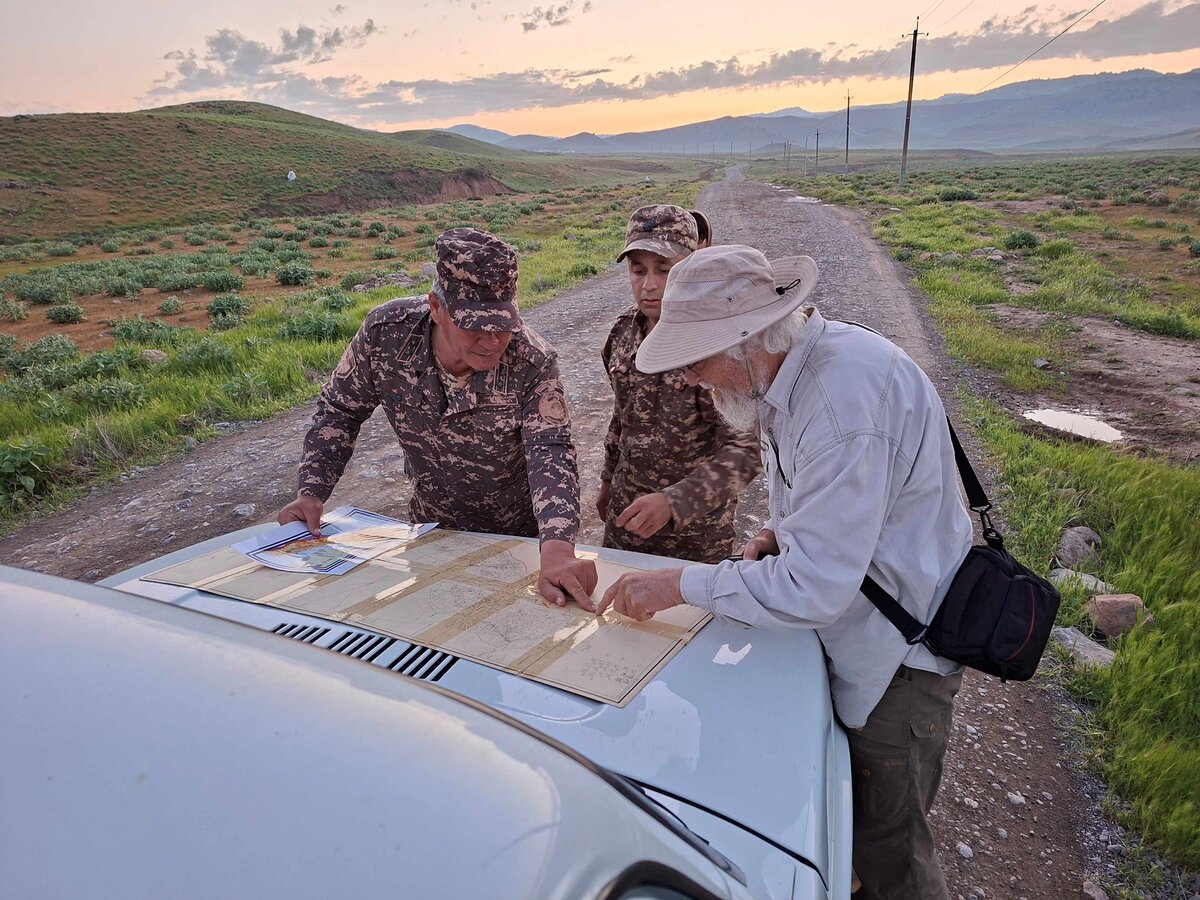
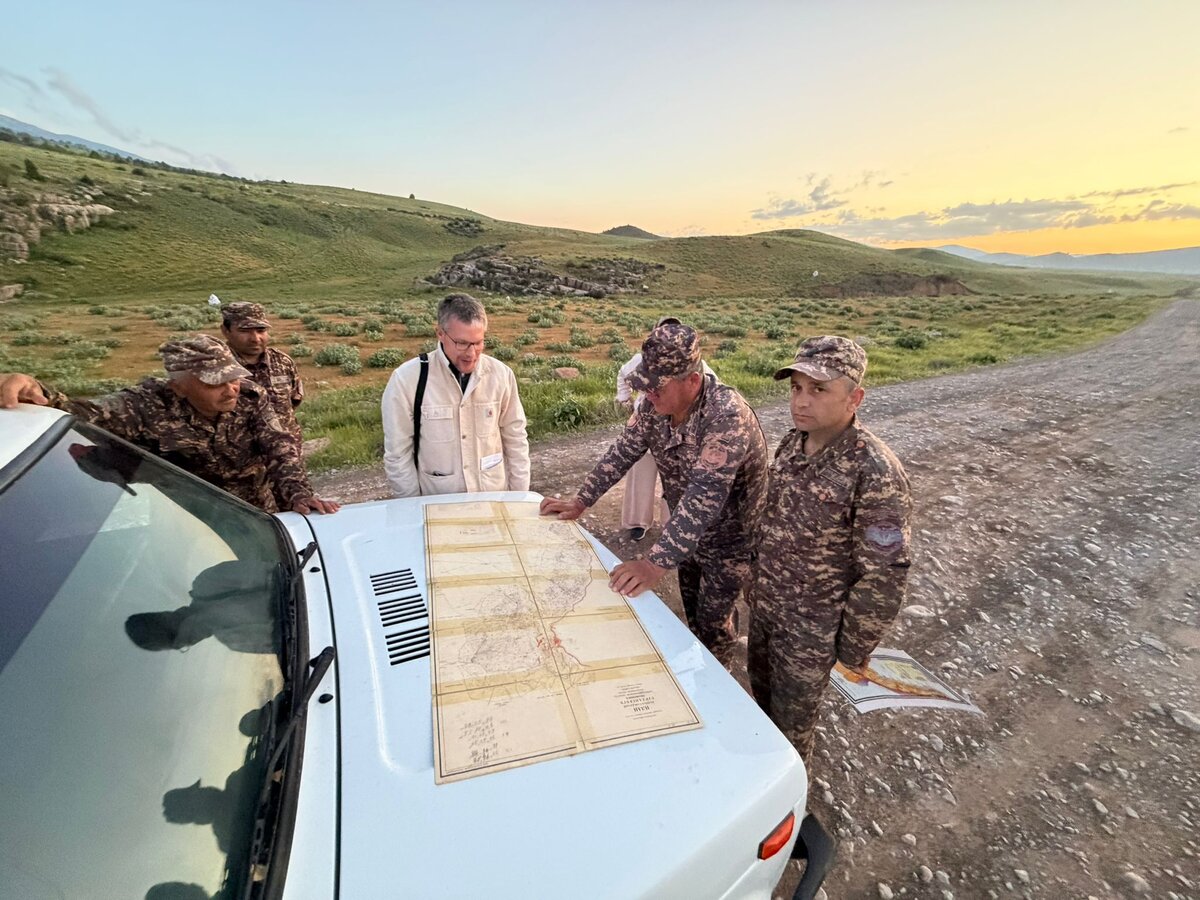
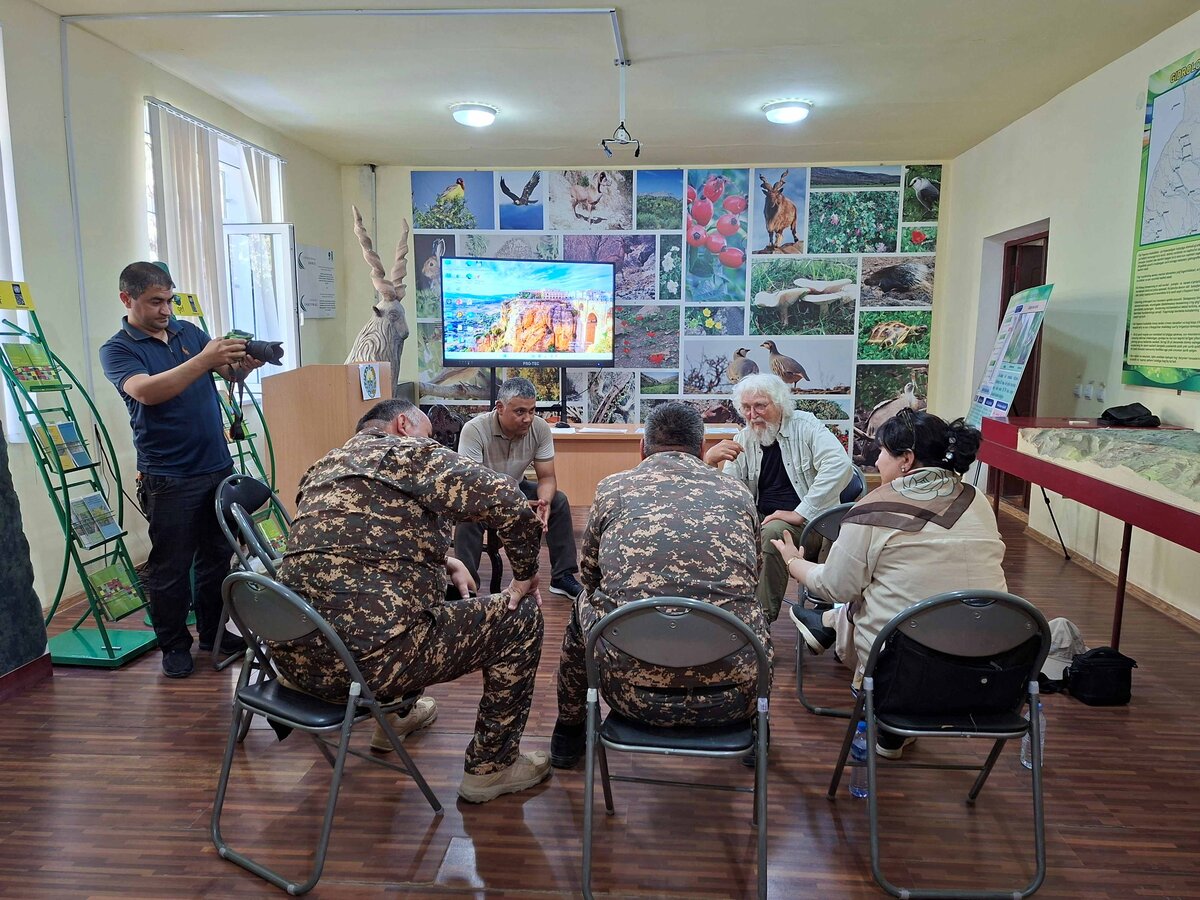
During the mission, the MSF team visited key areas of the Koytendag State Nature Reserve (TKM) and Surkhan State Nature Reserve (UZB), including remote canyons, karst landscapes, caves, and mountain ecosystems on both sides of the border. Meetings were held with reserve administrations, national experts, and representatives of environmental authorities to discuss conservation priorities, management approaches, and next steps in the nomination process.
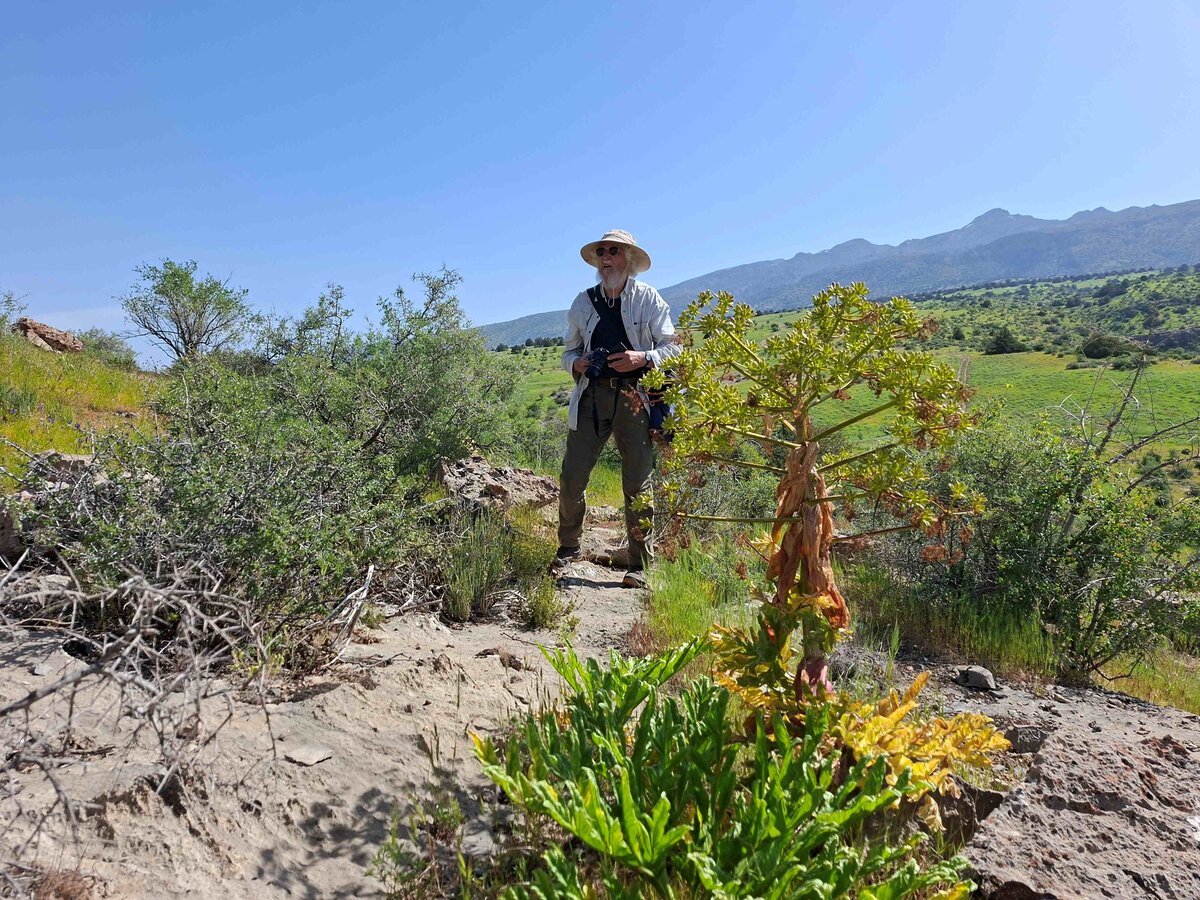
A major focus of the fieldwork was the collection of baseline information on flora and fauna to strengthen the understanding of the site’s Outstanding Universal Value (OUV) of the region – its management & protection, integrity, and ecological key attributes. Particular attention was given to the transboundary population of the endangered Markhor (Capra falconeri), whose most western and isolated population inhabits the Kugitang range. Conserving this unique population is considered highly important for the species’ global survival.
The expedition also highlighted the importance of strengthened cross-border cooperation between Turkmenistan and Uzbekistan. In the long term, a successful World Heritage inscription could contribute to the development of an interconnected network of protected areas and improve transboundary biodiversity monitoring and management.
The transboundary site “Karst, Canyons, and Caves of Kugitang” was included on the Tentative Lists of both States Parties in 2025. The Succow Foundation coordinates and provides technical support for the joint nomination process in close cooperation with governmental and scientific partners from both countries.