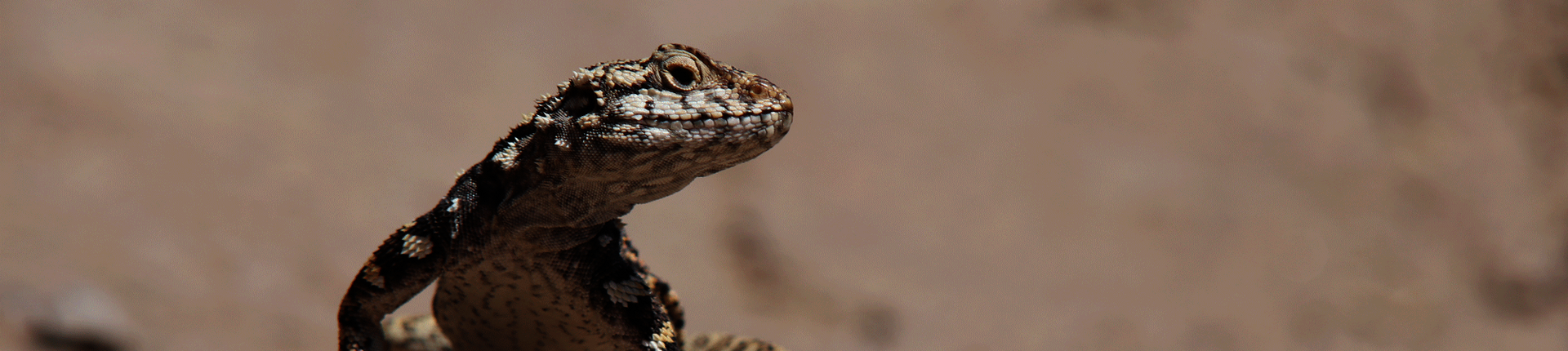
The 2020 UN report on biological diversity confirmed that the global extinction of species continues to advance. The loss of species endangers ecosystems. To date, 6 million hectares of UNESCO Natural World Heritage sites have been inscribed with the support of the Succow Foundation. Together with you, we aim to increase this to a total of 16 million hectares by 2030! As a World Heritage sponsor, you can help protect the world’s unique natural landscapes from as little as €15 a month.

„Northern Eurasia is home to numerous endangered plant and animal species! For many years, the Succow Foundation has been one of the most important organizations supporting unique protected areas in Central Asia and the Caucasus in their nominations for UNESCO Natural World Heritage status. In doing so, it has contributed not only to improved management, training, infrastructure and equipment in the protected areas, but also to first records and rediscoveries of endangered species!“
Tatjana Rosen
Deputy Chair (Northern Eurasia) of the World Commission on Protected Areas of the International Union for Conservation of Nature (IUCN WCPA)

Your donations will primarily be used for the World Heritage Sponsorship project. We ask for your understanding that, in a few isolated cases, certain projects may, for practical reasons, no longer be able to be implemented as originally envisaged following the appeal for donations. In such cases, the Michael Succow Foundation will use the donation for related projects that align as closely as possible with your motivation for donating and serve a similar purpose. In any case, the donation will be used to support the tax-deductible purposes of the Michael Succow Foundation for Science and Research, nature conservation and environmental protection, education, and public and vocational training.
You can find all information regarding secure data processing in our privacy policy.
Lene Schwarz
Fundraising & Donation Management
Tel +49 3834 83542 29
- Biodiversity
- Climate action
- Responsibility
- Participation
- Learning venues

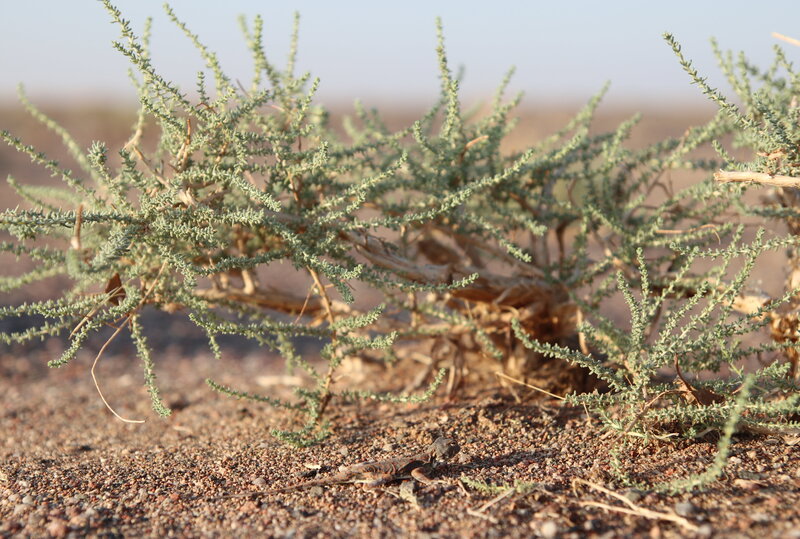
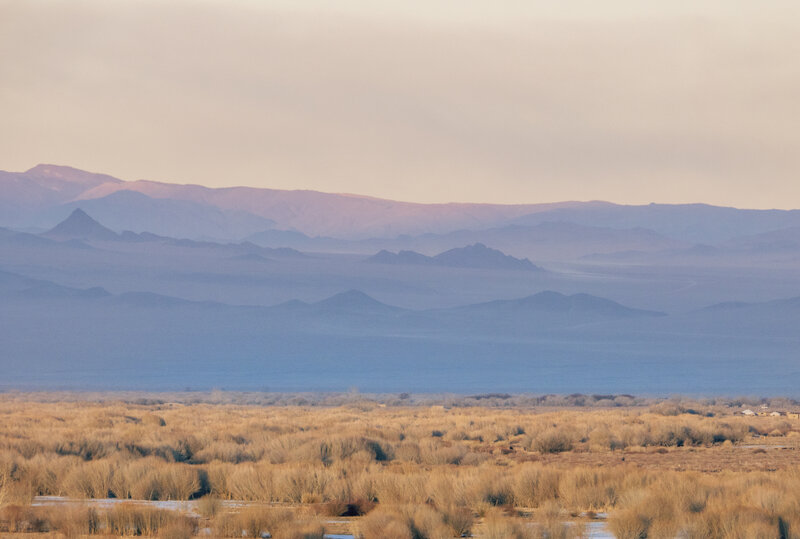
For almost 25 years, the Succow Foundation has supported states in nominating their unique landscapes as UNESCO Natural World Heritage, scientifically sound and with political sensitivity. We specialize in the world’s last remaining large-scale intact natural landscapes: the deserts, steppes, forests and peatlands of the Earth. These urgently need protection. Even after inscription, the Succow Foundation helps to strengthen World Heritage sites and make them accessible to visitors – a task for all of humanity.
Our commitment to World Heritage since 1999
- 10 nomination procedures in Asia and Europe
- 7 successful inscriptions
- more than 6 million ha secured
Our World Heritage goals by 2030
- 2 nomination procedures in Asia
- Support at least 4 Natural World Heritage sites, e.g. through training
- Secure another 10 million ha
Eastern Mongolian Steppes
1,900,000 ha potential UNESCO World Heritage: In eastern Mongolia lies the last intact temperate grassland (steppe) in the world. Herds of an estimated 1.5 to 2 million Mongolian gazelles (Procapra gutturosa) inhabit and shape the vast landscape as an integral part of the ecosystem. You can read more about the project here.
Mongolian Gobi
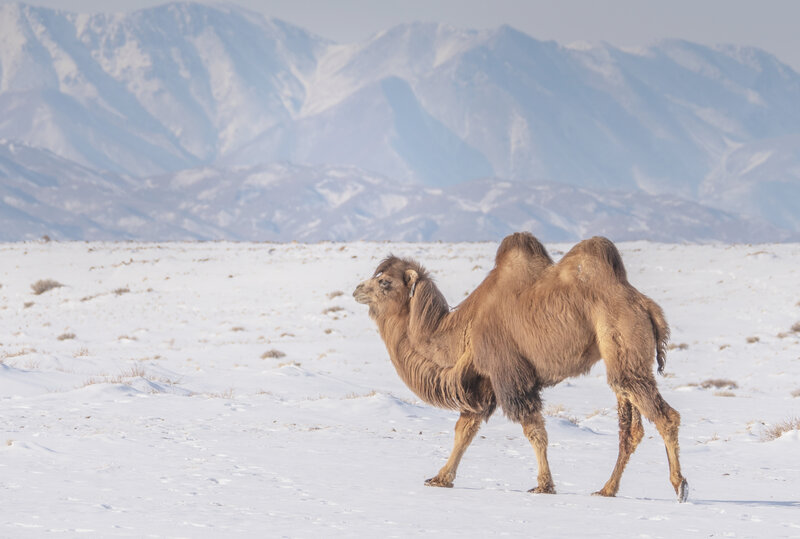
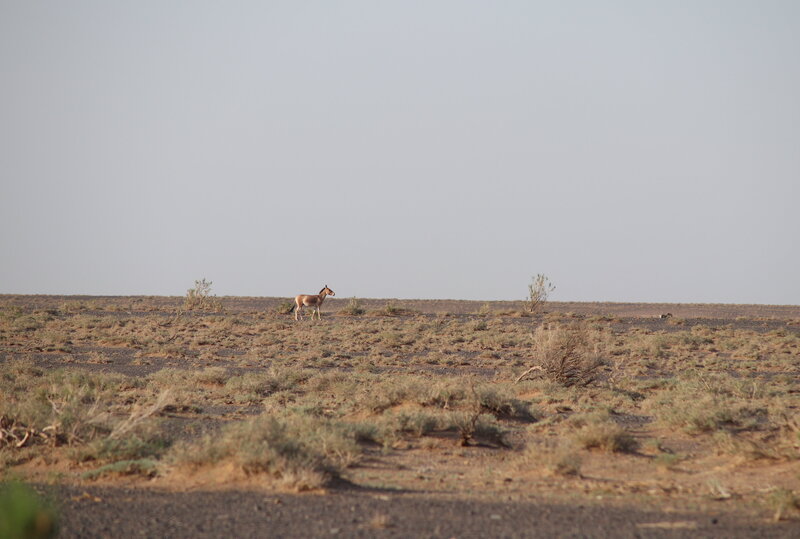
8,230,000 ha potential UNESCO World Heritage: The Mongolian deserts Great and Small Gobi are globally unique because of their extent, diversity and pristine condition. They are home to rare plant and animal species, including the last populations of Wild camels and the unique Gobi bear. The largest populations of the Asiatic wild ass occur here, as well as Snow leopards, Lynx and reintroduced Takhi (Przewalski's horses). You can read more about the project here.
Progress is going well: In September 2023, two sites supported by the Succow Foundation were recognised as UNESCO World Natural Heritage Sites at the World Heritage Committee meeting in Riyadh.
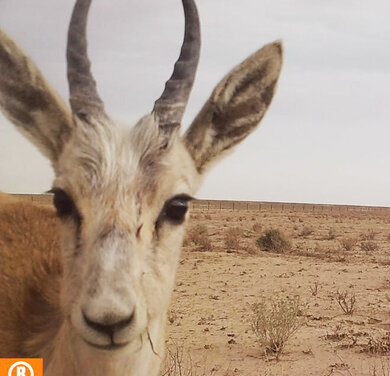
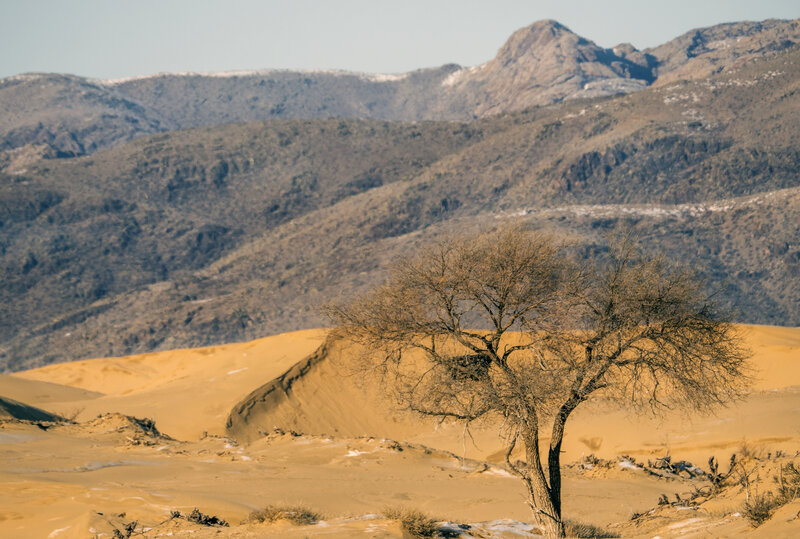
The Cold Winter Deserts of Turan, also called the "Serengeti of the North," are the habitat of globally threatened mammals such as the Goitered gazelle (Gazella subgutturosa), the Saiga antelope (Saiga tatarica) and the Kulan (Equus hemionus). With the inscription of the Cold Winter Deserts of Turan at the World Heritage list, more than 3 million ha of Central Asia’s largest ecosystem by area have been inscribed under the protection of the World Heritage Convention.
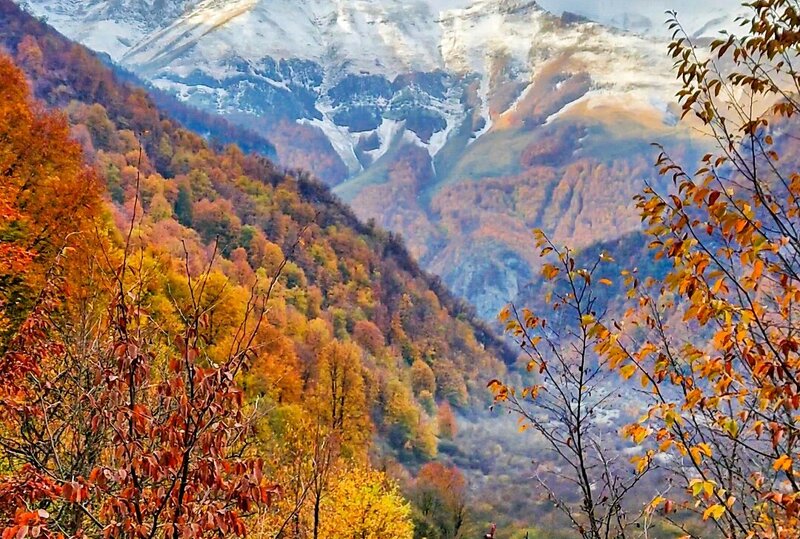
The Hyrcanian forests of Azerbaijan extend the site of the same name in Iran, which was inscribed in 2019 as a Natural World Heritage site. The history of the Hyrcanian deciduous forests reaches back 25 to 50 million years. Although they cover only 7% of Iran, 44% of the country's known vascular plants are found there. 180 bird species and 58 mammal species join them, among them the iconic Persian leopard (Panthera pardus tulliana). In 2023, the World Heritage site was extended to include the Azerbaijani part of the forests.