![[Translate to EN:] Moor-Pavillon "Turba Tol Hol Hol" auf der Biennale in Venedig 2022 (Foto: Ugo Carmeni)](/fileadmin/_processed_/6/5/csm_header_24_Turba_Tol__c__Ugo_Carmeni_2022_ab7ed9675a.png "[Translate to EN:] Moor-Pavillon \"Turba Tol Hol Hol\" auf der Biennale in Venedig 2022 (Foto: Ugo Carmeni)")
The Venice Agreement
Art, peatlands, and science – this unique combination came together to create an extraordinary installation at the 59th Venice Biennale. The international artist collective ENSAYOS, the Succow Foundation, partner of the Greifswald Mire Centre, and many other stakeholders joined forces to bring the project to life. Together, they aim to raise awareness of the global importance of peatlands and intend to promote stronger political action for peatland conservation and climate protection through The Venice Agreement.
![[Translate to EN:] Die Venedig-Vereinbarung](/fileadmin/_processed_/4/9/csm_Venice_Agreement-poster-full_49f34631e8.png "[Translate to EN:] Die Venedig-Vereinbarung")
Suza Husse E-mail: suza.husse[at]succow-stiftung.de
Peatlands & Climate

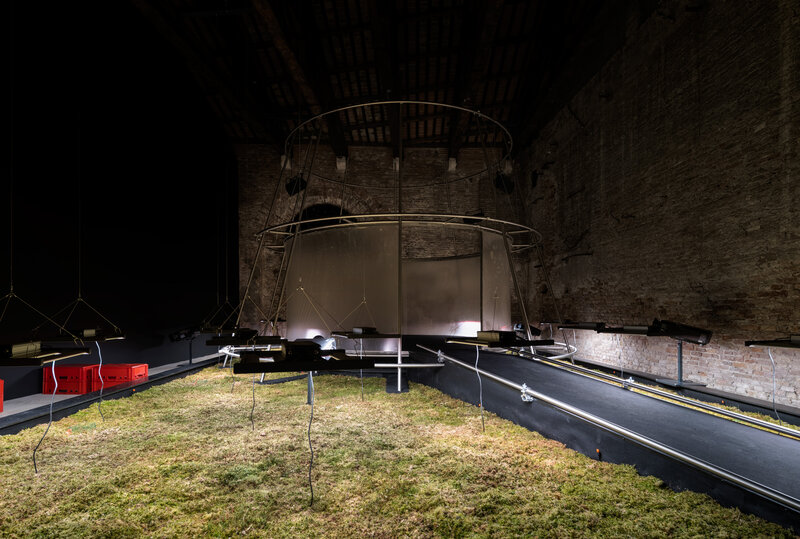
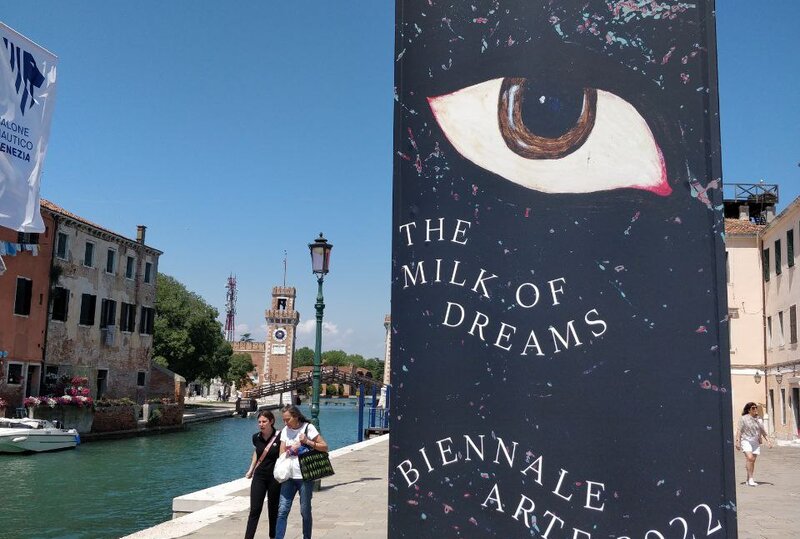
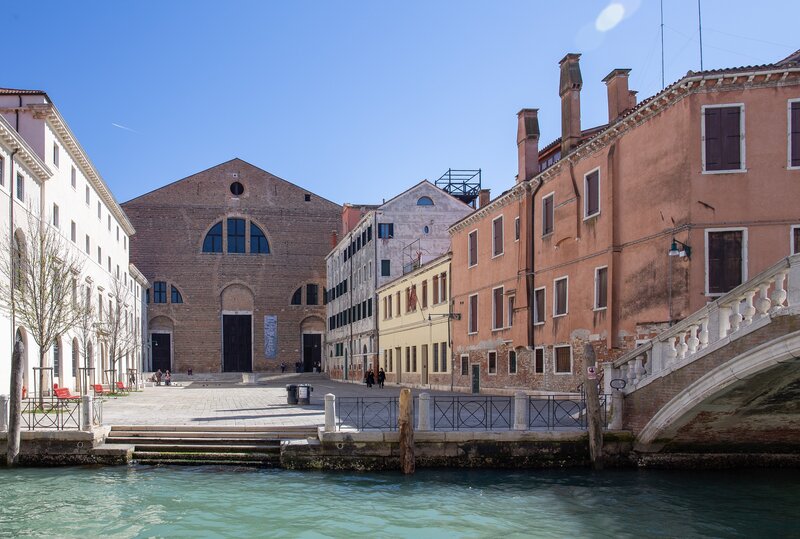
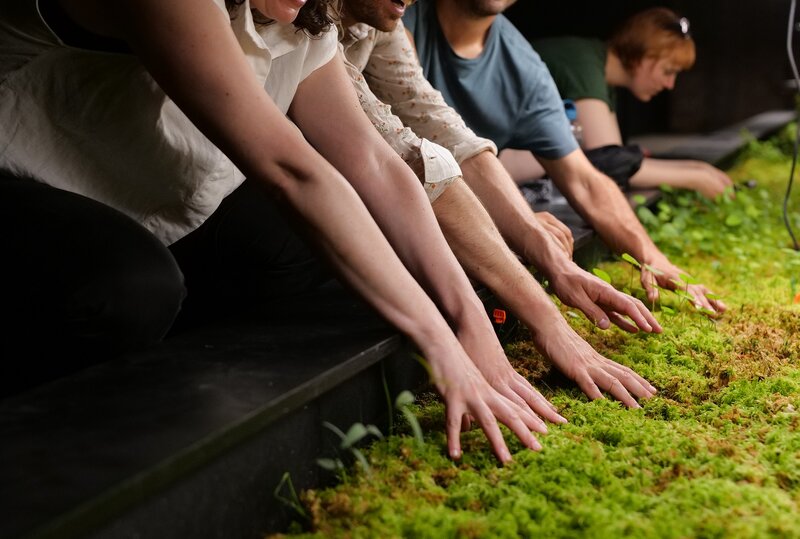
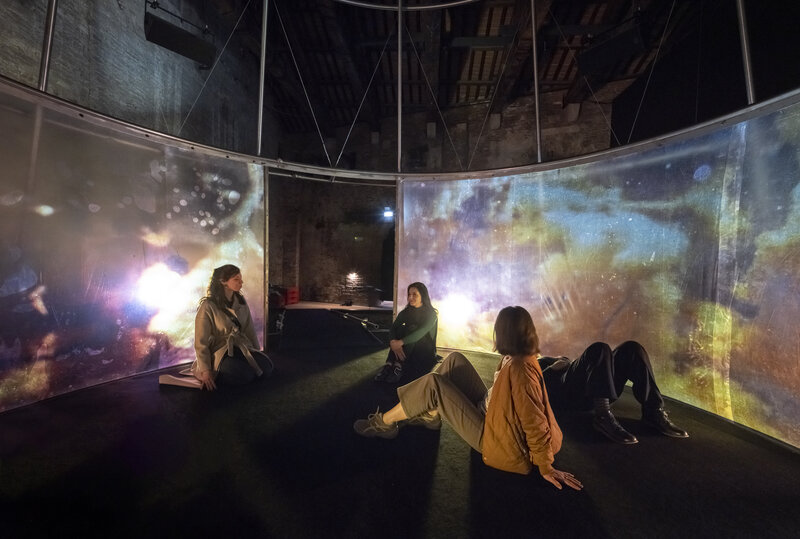
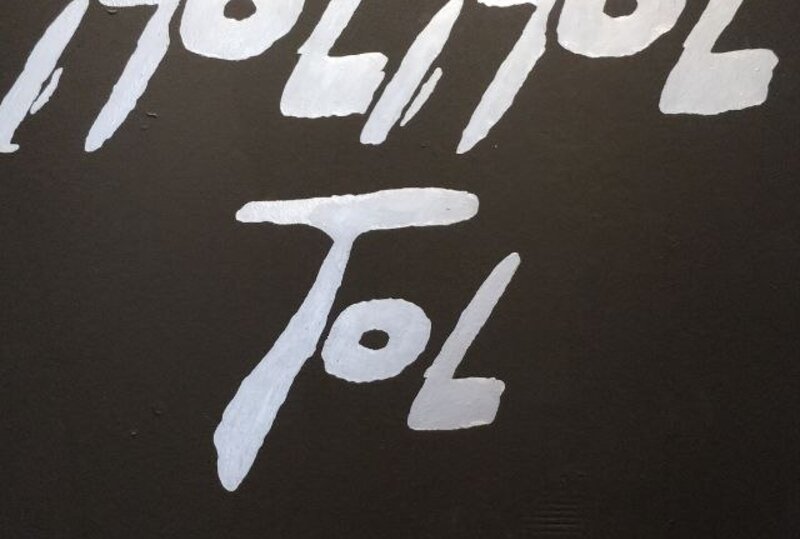
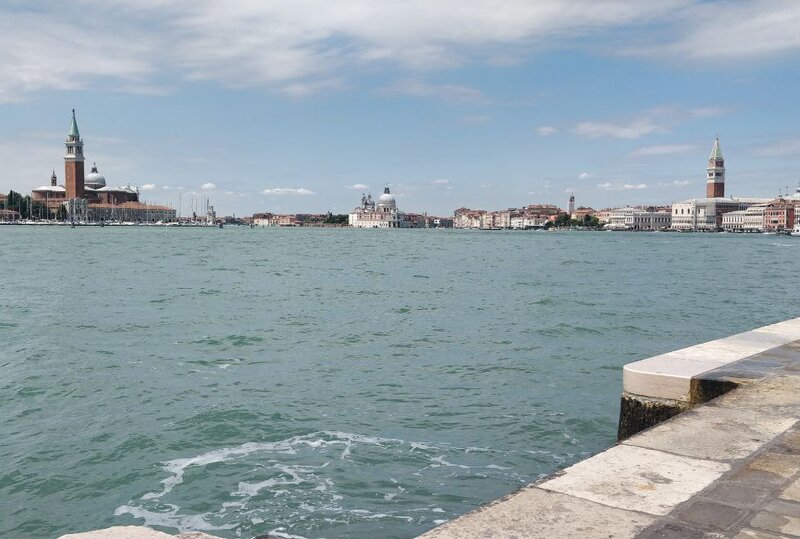
A carpet of living sphagnum moss and a video installation of the art project Turba Tol Hol-Hol Tol await visitors at the Biennale in the Chilean Pavilion, located in the historic warehouse building of the Venetian Arsenal. There, the growing sphagnum mosses and the gently undulating, moisture-rich surface they create can be experienced using all senses. Visitors are invited to run their hands across the small green peatland plants. A curved screen presents fascinating close-up footage from the peatland, while a mysterious whispering soundtrack conveys reflections on this unique landscape. At the same time, a monitoring system provides information on how the sphagnum mosses currently grow, how much water they require, and how much carbon they accumulate. The installation aims to demonstrate that protecting nature, especially peatlands, is in the interest of both present and future generations and that reversing environmental degradation can only be achieved globally through the collective efforts of many local initiatives.
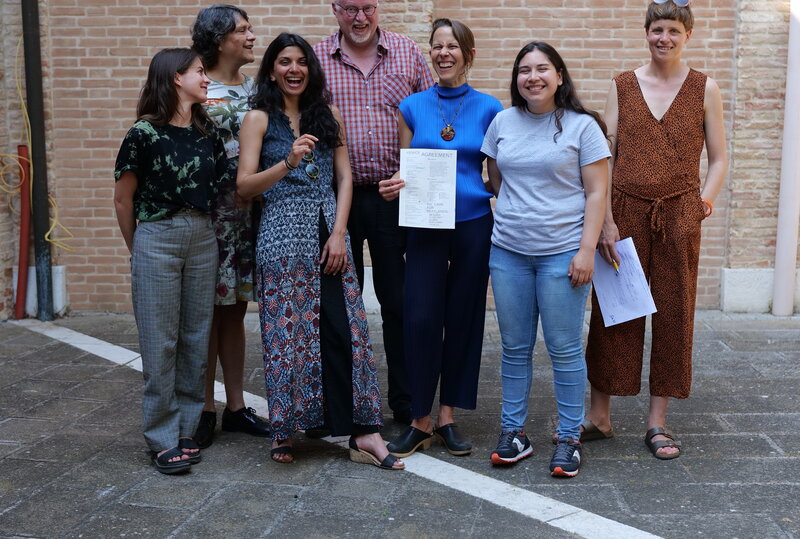
On World Peatlands Day, 2 June 2022, the scientists and artists joined representatives from Indigenous communities, climate policy, nature conservation, and business sectors at the Biennale to launch the Venice Agreement. Named in reference to the Paris Agreement, the initiative drew international attention to the importance of protecting and restoring peatlands for both the climate and society.
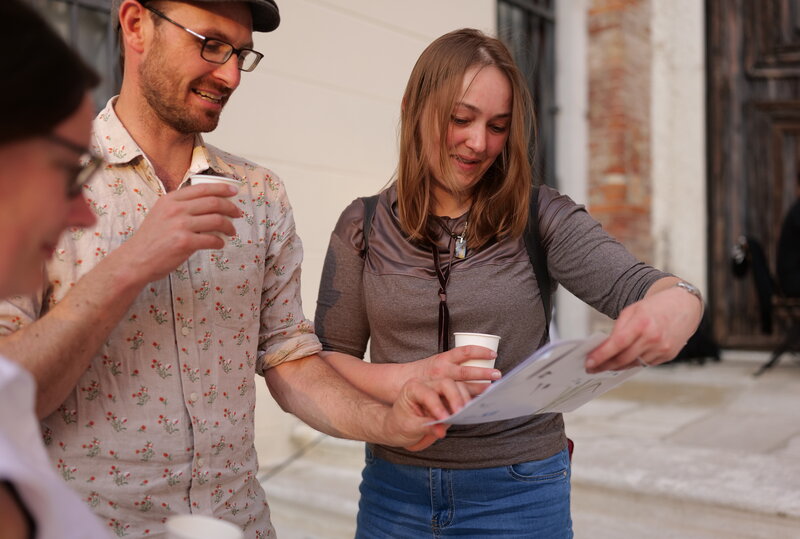
Over the course of two days, peatland conservationists and artists from Argentina, Chile, Scotland, Germany, the United States, India, Indonesia, Iran, Ireland, Kenya, Uganda, and Uruguay came together in Venice to develop the agreement. The result was a creative work combining poetry and inspiration with concrete needs and values considered essential for safeguarding peatlands worldwide. Accompanying the text was a map featuring wishes, perspectives, and proposed solutions contributed by peatland advocates from around the globe.
Additional participants joined the ceremonial signing online. Experts in environmental science, nature conservation, climate policy and contemporary art, as well as representatives of the Indigenous peoples of Tierra del Fuego, shared their diverse perspectives on peatland protection. Among them were leading experts and decision-makers such as Prof. Dr. Hans Joosten of the Greifswald Mire Centre and Dianna Kopansky, Coordinator of the Global Peatlands Initiative at the United Nations Environment Programme (UNEP).
A detailed report documents the development process of the Venice Agreement. (PDF available here or on the Stiftung Zukunft Jetzt! blog.)
The event is made possible through the support of Stiftung Zukunft Jetzt!, the hartwig!stiftung, and the Global Peatlands Initiative, coordinated by the United Nations Environment Programme (UNEP), and funded by the International Climate Initiative (IKI) of the German Federal Ministry for the Environment, Nature Conservation, Nuclear Safety and Consumer Protection (BMUV).
An artist residency in Greifswald preceding the project was supported by the Federal Government Commissioner for Culture and the Media (BKM) and the Department of Education, Culture and Sports of the University and Hanseatic City of Greifswald.