Development of a Regional Ramsar Strategy for Central Asia
Wetlands in Central Asia are under threat
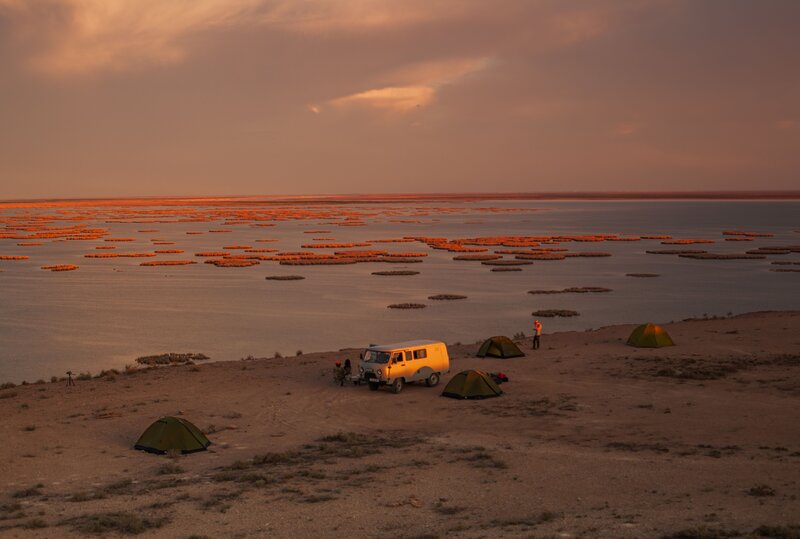
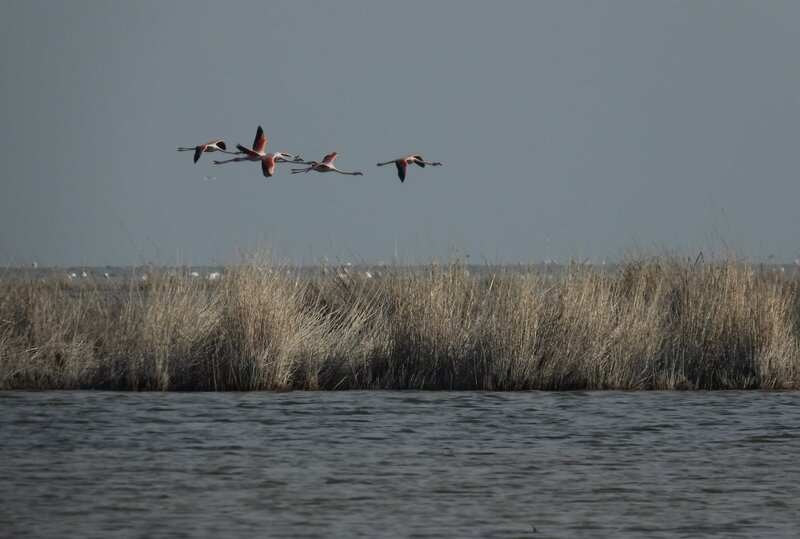
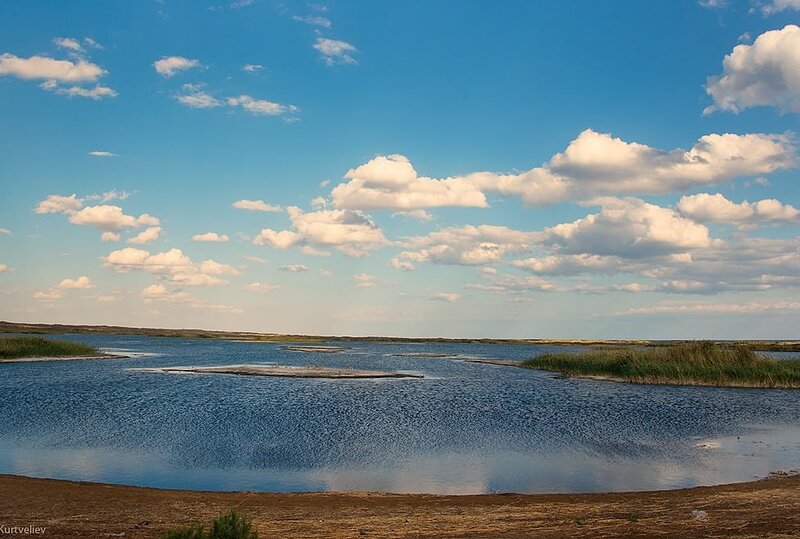
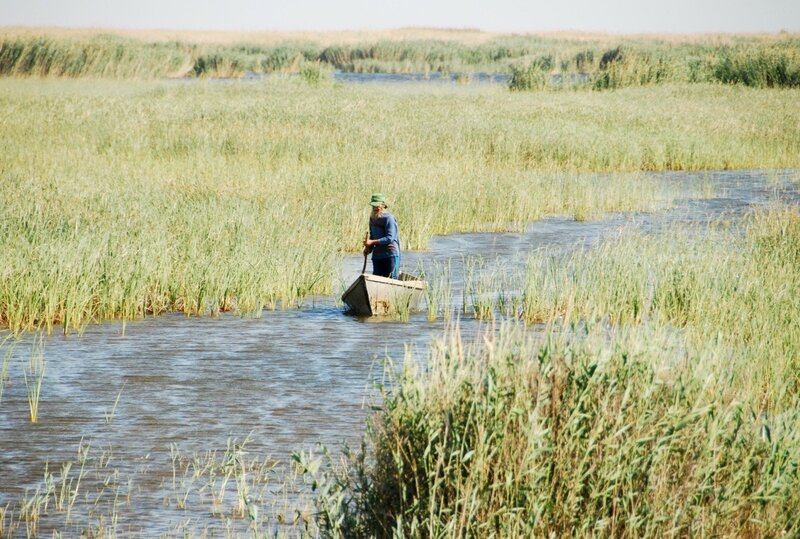
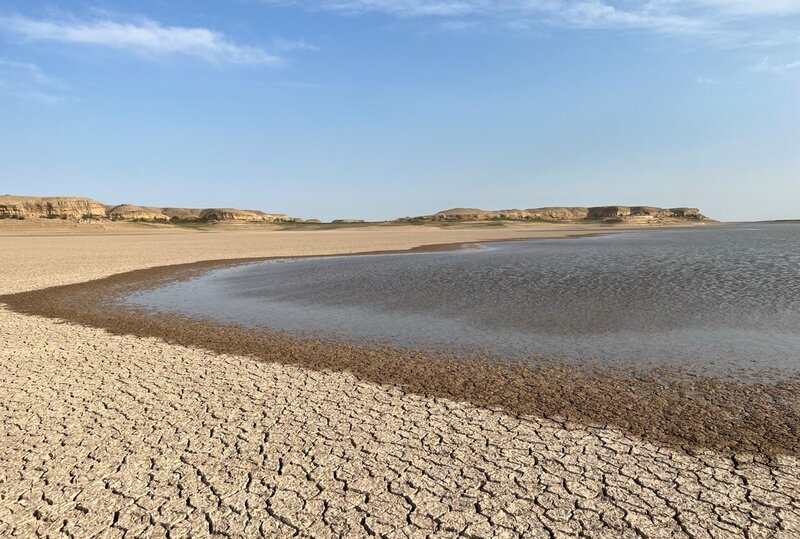
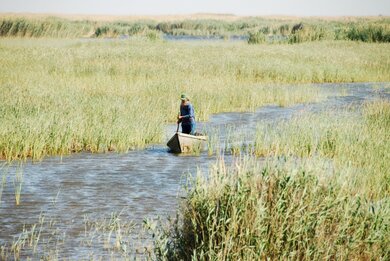
Central Asia is one of the driest and most climate-vulnerable regions in the world. Temperatures are rising faster here than the global average, precipitation patterns are becoming increasingly unpredictable, and the region is considered a climate change hotspot. At the same time, water scarcity is increasing, driven by factors including glacier melt, declining water availability in transboundary rivers, and extreme weather events. In this increasingly dry landscape, wetlands are of particular importance. They provide natural protection and strengthen the resilience of ecosystems. At the same time, they serve as important stepping stones for migratory species amid vast expanses of steppe and desert.
From a National to a Regional Ramsar Strategy
Following the strong recognition of the development of Uzbekistan’s national Ramsar Strategy, which was presented by the Secretary General of the Ramsar Convention at CITES COP20 in Samarkand, and building on the 2025 Issyk-Kul Resolution, a regional Ramsar Strategy for the five Central Asian countries – Kazakhstan, Kyrgyzstan, Tajikistan, Turkmenistan and Uzbekistan – is now to be developed. The 2025 Issyk-Kul Resolution was developed as part of a regional workshop on the conservation and wise use of wetlands under the Ramsar Convention, organized and supported by Green Central Asia (GCA).
Together with the Ramsar Focal Points of the five countries and other stakeholders, the framework and guidelines for the regional strategy will be developed through a series of workshops. The strategy will be aligned with the Fifth Strategic Plan of the Convention on Wetlands for 2025–2034.
In addition to the regional strategy, a framework for monitoring and evaluation as well as a follow-up workshop to further develop regional CEPA expertise will be designed and implemented.
Within the framework of the International Climate Initiative (IKI), the German Federal Ministry for the Environment, Climate Action, Nature Conservation and Nuclear Safety (BMUKN) commissioned Deutsche Gesellschaft für Internationale Zusammenarbeit (GIZ) GmbH with the implementation of the project “Policy Dialogue and Knowledge Management on Climate Protection Strategies” (DIAPOL-CE), running from 08/2026 until 04/2027.


Development of a Regional Ramsar Strategy for Central Asia
Location: Central Asia
Duration: August 2026 – April 2027

Jens Wunderlich
Expertise: World Heritage, Biosphere Reserves, cartography
Tel +493834 8354 224