Shaping the future of regional cooperation
On 3 November 2026, the annual meeting of the Ramsar Regional Initiative for Central Asia (RRI-CA) took place in Astana, Kazakhstan. The meeting followed last year's gathering at Lake Issyk-Kul and provided an opportunity to exchange experiences and discuss regional priorities.
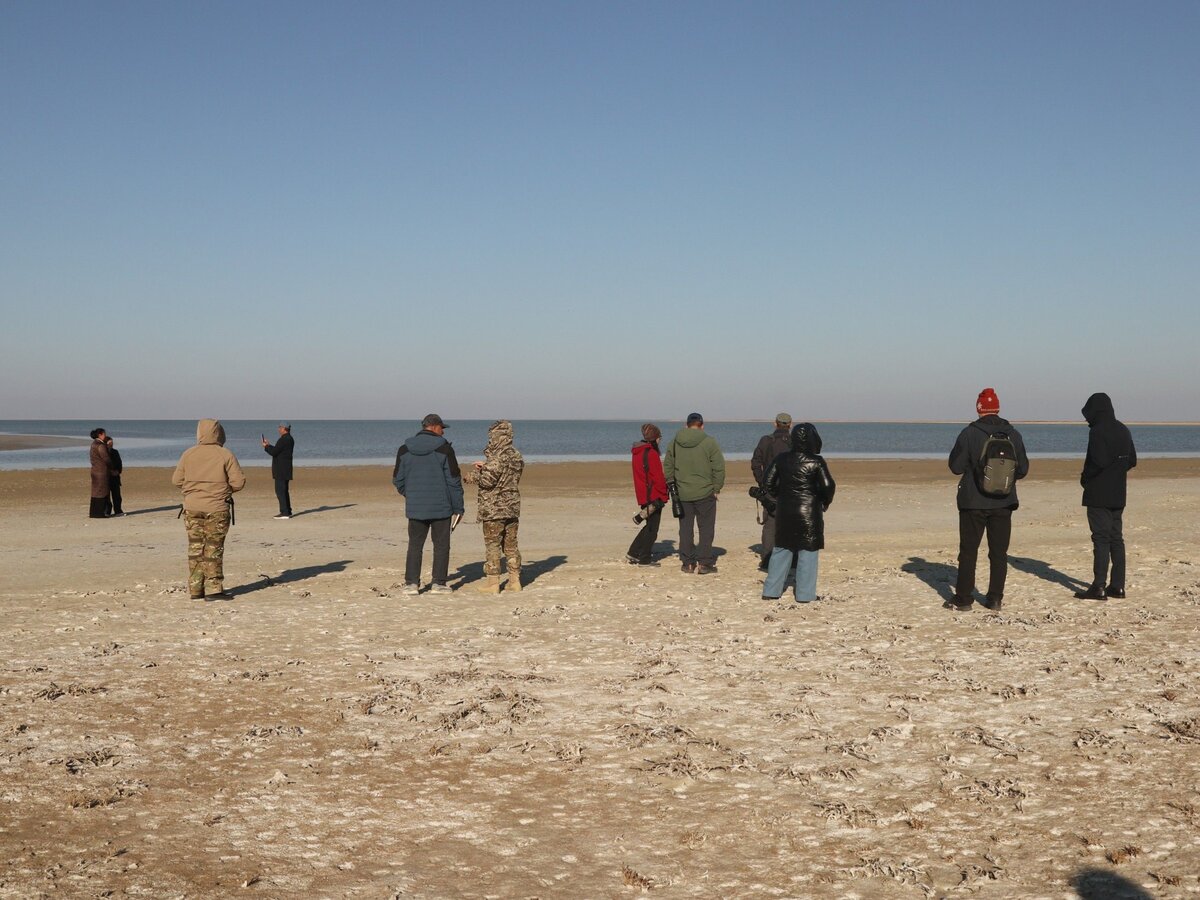
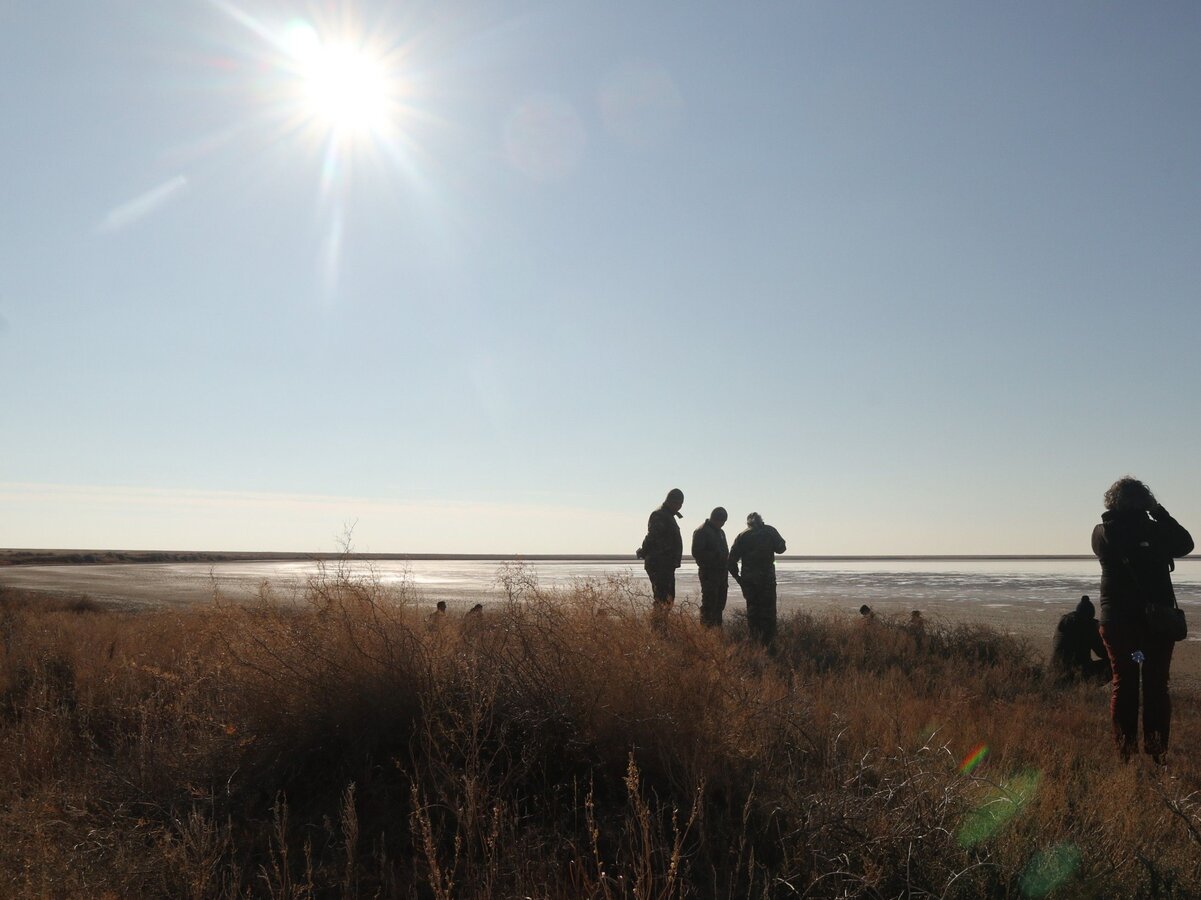
The following day, we visited the Korgalzhyn and Tengiz Lakes Ramsar Site, one of the northernmost breeding areas for flamingos. The impressive wetland landscape offered a powerful reminder of the ecological importance of Central Asia's natural heritage. The site is also recognized as the first natural World Heritage Site in Central Asia.
On 5 November, the first Regional Strategy Development Workshop brought together participants committed to strengthening cooperation across the region. They identified several common priorities and needs. One fundamental question, however, remains to be addressed: Who will be responsible for implementing the Strategy in the future? This requires further discussion and arrangements with key conservation stakeholders in the region, including RRI-CA, IUCN, WWF and other institutional partners.
From Kazakhstan via Kyrgyzstan to the Caspian Sea
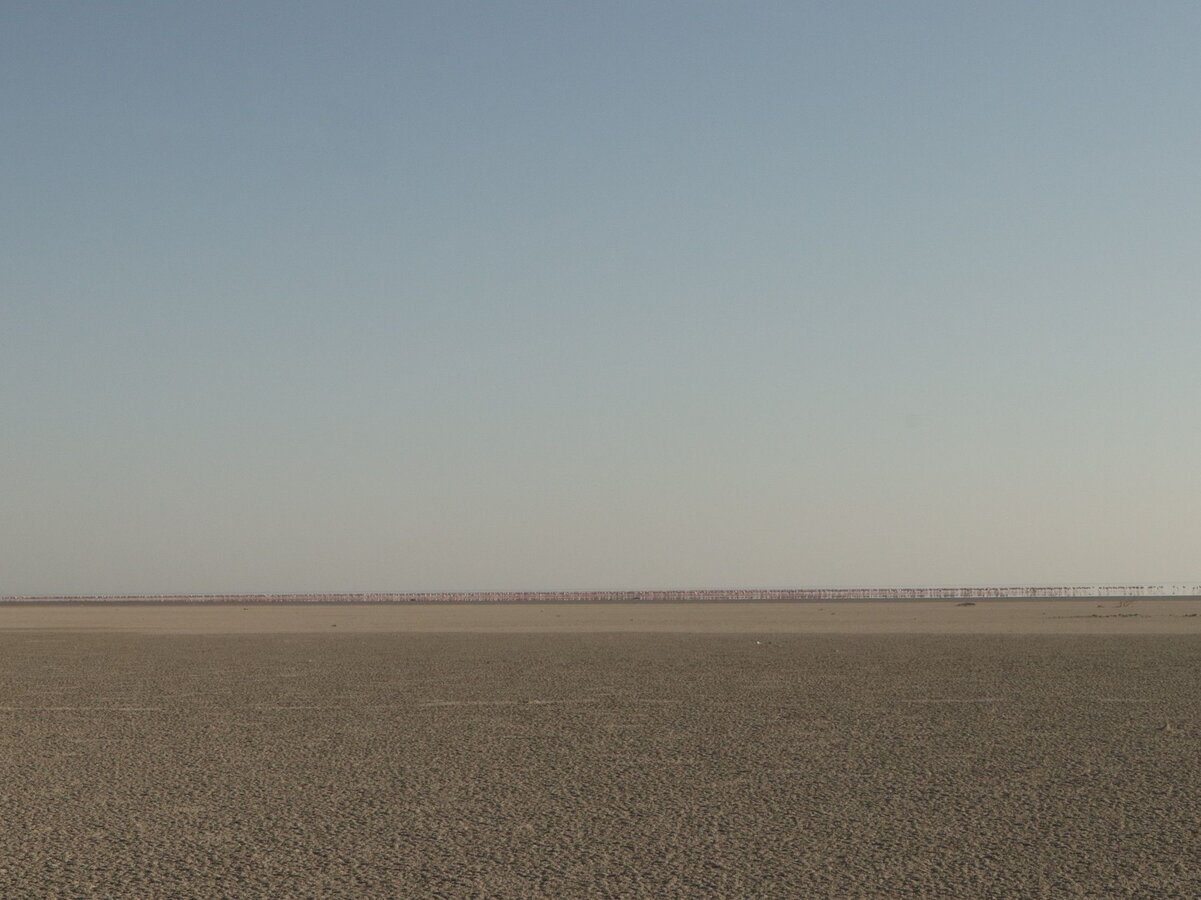
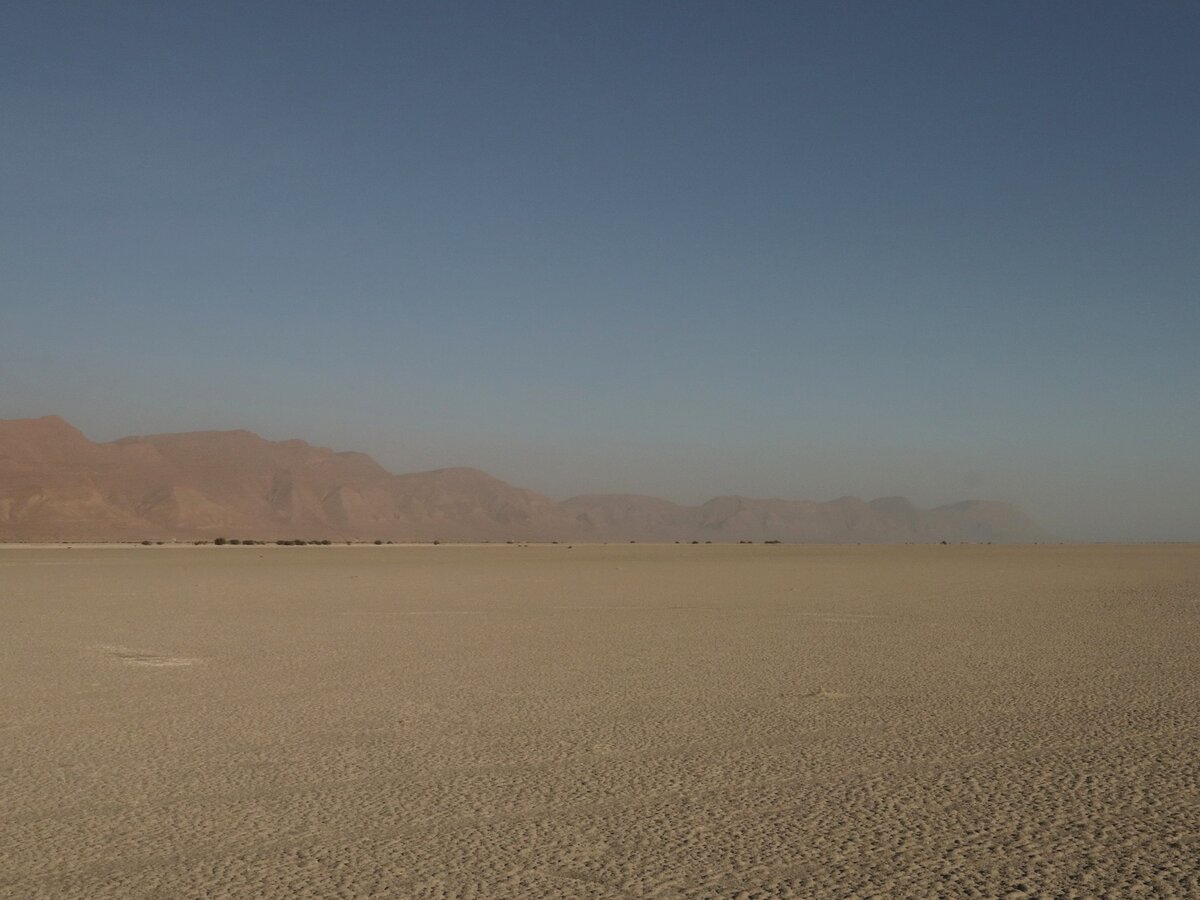
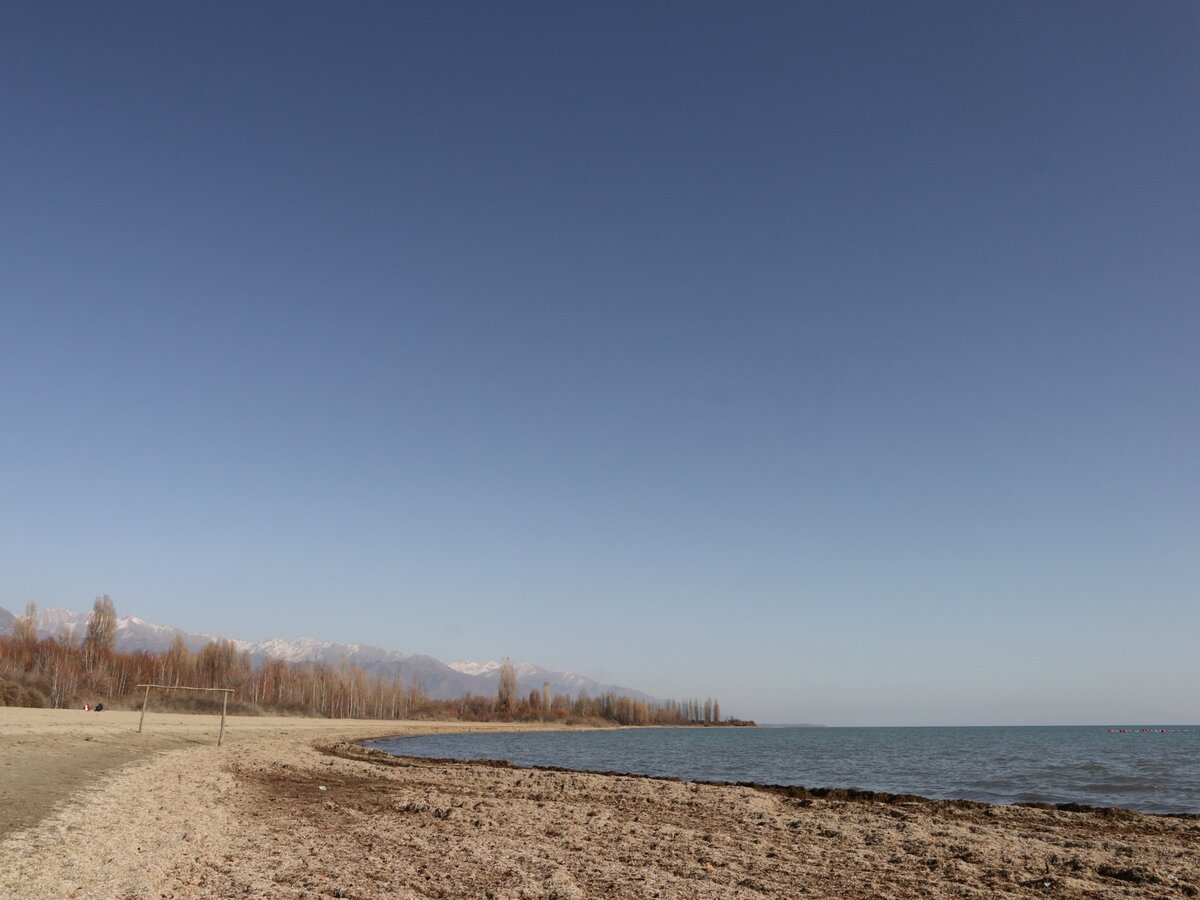
The journey continued to Kyrgyzstan, where our experts visited the Lake Issyk-Kul Ramsar Site and met with the National and Scientific Ramsar Focal Points. In Turkmenistan, meetings with the Ramsar Focal Point and other stakeholders at Turkmenbashy Bay on the Caspian Sea provided further insights into national wetland conservation priorities. One highlight was seeing more than 2,000 flamingos gathered at a single site – an unforgettable reminder of the region's importance for migratory and breeding waterbirds.
Assessing the Ramsar Regional Initiative
Beyond the field visits, the mission also aimed to gain a better understanding of the functioning and institutional capacity of the Regional Ramsar Initiative for Central Asia (RRI-CA). Our governance expert had developed an assessment tool to evaluate the Initiative. Establishing effective governance and assessing the Initiative's institutional readiness will require further work. The project has now begun supporting stakeholders in this process.
Key findings and next steps
Overall, the mission provided valuable insights, strengthened connections with national stakeholders and highlighted the extraordinary importance of Central Asia's wetlands. At the same time, it raised important questions about the future organization and governance of RRI-CA, as well as the institutional arrangements needed to turn the Regional Strategy into concrete action. These findings and open questions are now being consolidated for the coming months.
The mission was funded through the DIAPOL-CE project. Within the framework of the International Climate Initiative (IKI), the German Federal Ministry for the Environment, Climate Action, Nature Conservation and Nuclear Safety (BMUKN) commissioned the Deutsche Gesellschaft für Internationale Zusammenarbeit (GIZ) GmbH to implement the project "Policy Dialogue and Knowledge Management on Climate Protection Strategies" (DIAPOL-CE), which runs from August 2026 to April 2027.