Central Asia
Strengthening transboundary nature conservation and sustainable land use in Central Asia
Background
The project “Strengthening transboundary integrated nature conservation and sustainable land use approaches between Central Asian countries” was implemented by the Michael Succow Foundation (MSF) within the GIZ Regional Programme “Integrative and Climate-sensitive Land Use in Central Asia” (ILUCA) from July 2023 to December 2025.
The project addressed the challenge that ecological processes and biodiversity in Central Asia are inherently transboundary, while conservation and land use governance remain largely organized at national level. This limits effective biodiversity conservation, sustainable land use, and climate adaptation in shared ecosystems.
Aim of the project
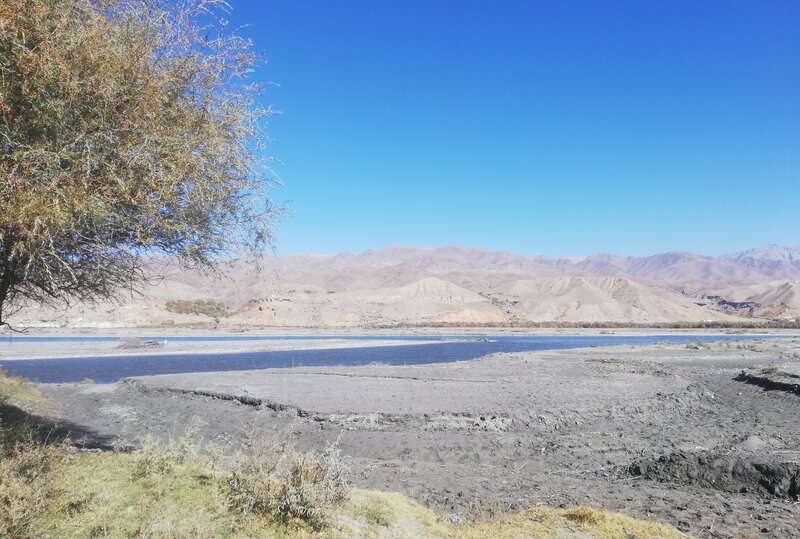
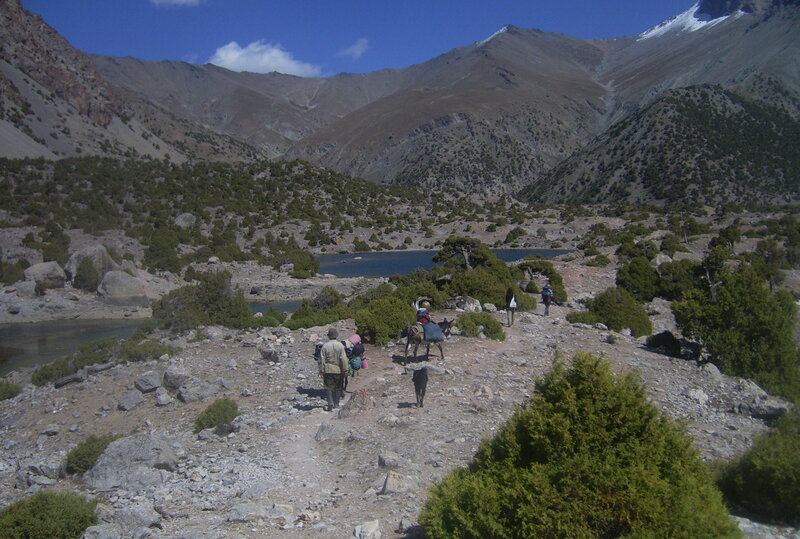
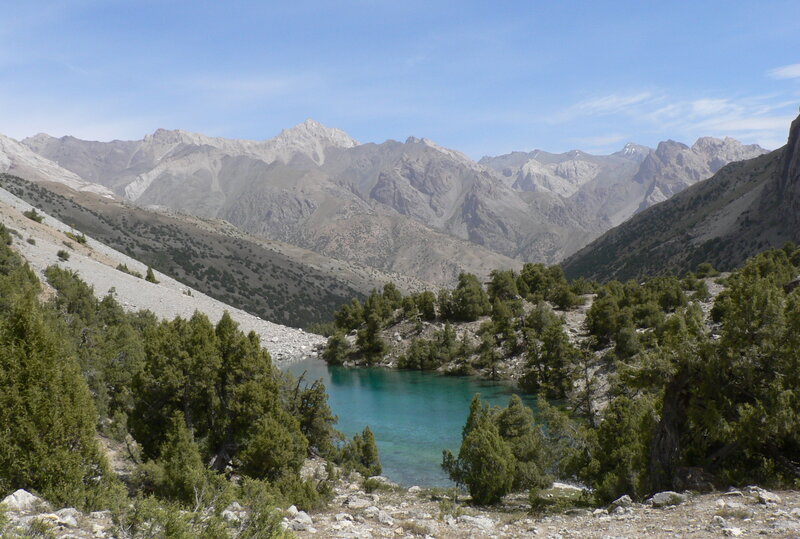
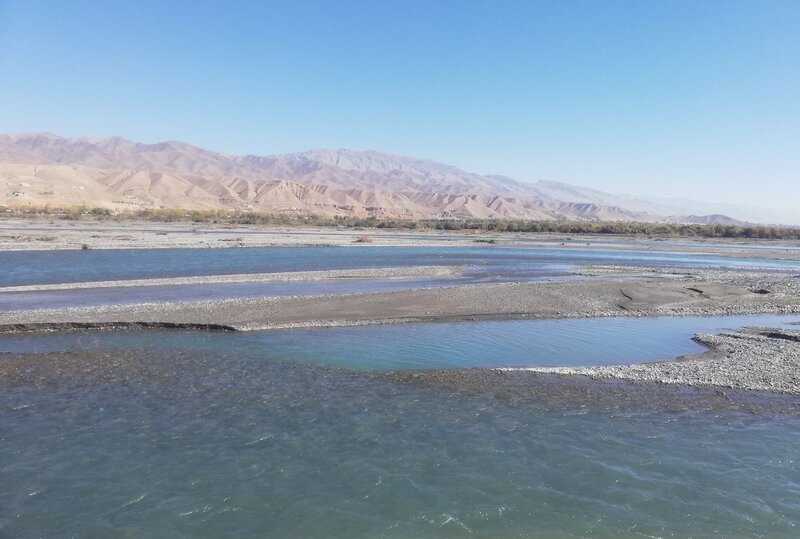
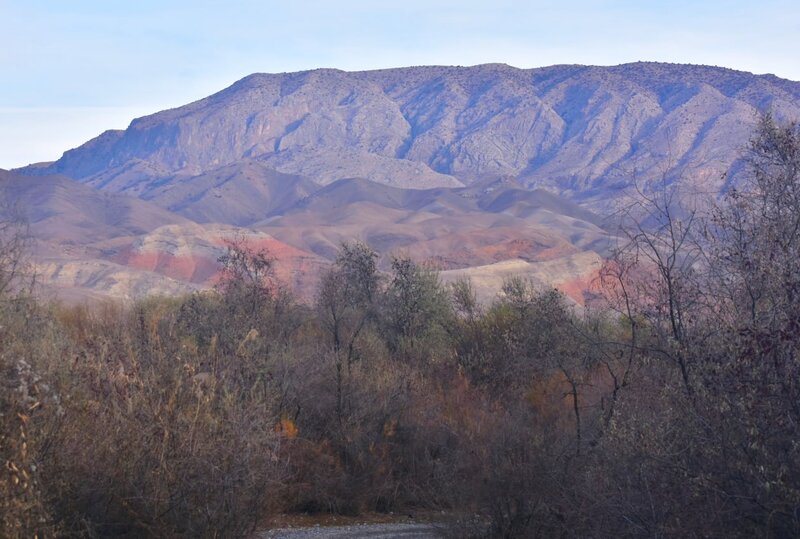
The overarching goal of the project was to strengthen transboundary, integrated conservation and sustainable land-use approaches in Central Asia. Main pilot sites of the project were the Zarafshan Valley and Hissar Mountains between Tajikistan and Uzbekistan. Against the backdrop of bilateral cooperation between Uzbekistan and Tajikistan, which is currently more intensive than ever before, the project aimed to strengthen the enabling conditions for coordinated and cooperative management of transboundary landscapes.
Central Asia
Strengthening transboundary nature conservation and sustainable land use in Central Asia
Location: Central Asia
Duration: 07/2023 – 12/2025
Project results
The project delivered a set of results that strengthened both operational conservation practice and institutional cooperation.
- Improved transboundary conservation management in Zarafshan Valley and Hissar Mountains
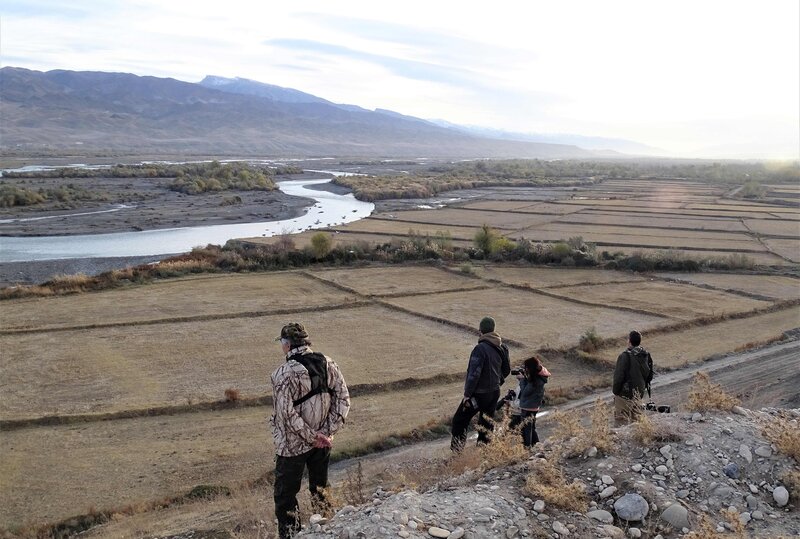
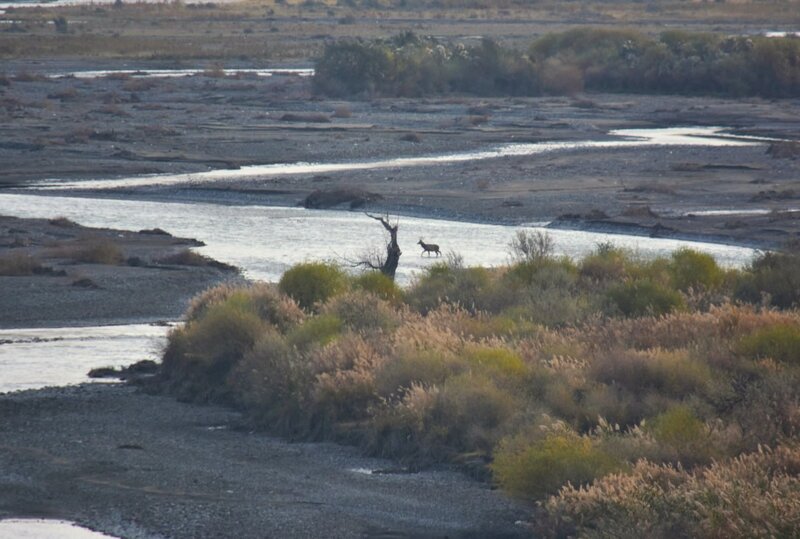
Management Effectiveness Tracking Tool (METT) assessments of the protected areas in Zarafshan Valley helped to identify threats, management gaps and priorities. Standardized Biodiversity Monitoring Guidelines were developed for Zarafshan National Park (UZB) and Zarafshan Zakaznik (TJK), creating a shared methodological framework that enables comparable data collection and joint interpretation of ecological trends. Targeted trainings – including camera trap monitoring – enhanced the practical skills of protected area staff, establishing a common basis for future cooperation. The protected areas got also various equipment for more efficient patrolling.
In the Hissar Mountains, the project strengthened practical cooperation between the protected areas Shirkent National Park (TJK) and Yuqori Tupalang National Park (UZB) through joint technical exchanges, biodiversity monitoring trainings, and shared management discussions that improved mutual understanding of ecosystem challenges. This laid the basis for further joint activities in transboundary conservation.
- Stronger sustainable land-use and climate integration
Applied studies assessed climate change impacts on local land users in Zarafshan Valley. Built on the results, communication material was developed that addresses local farmers and local communities and describe major challenges of possible adaptation measures to climate change. An analysis of potential of transboundary ecotourism in Zarafshan Valley demonstrated how conservation goals can be linked with local livelihoods.
- Enhanced regional dialogue and institutional anchoring
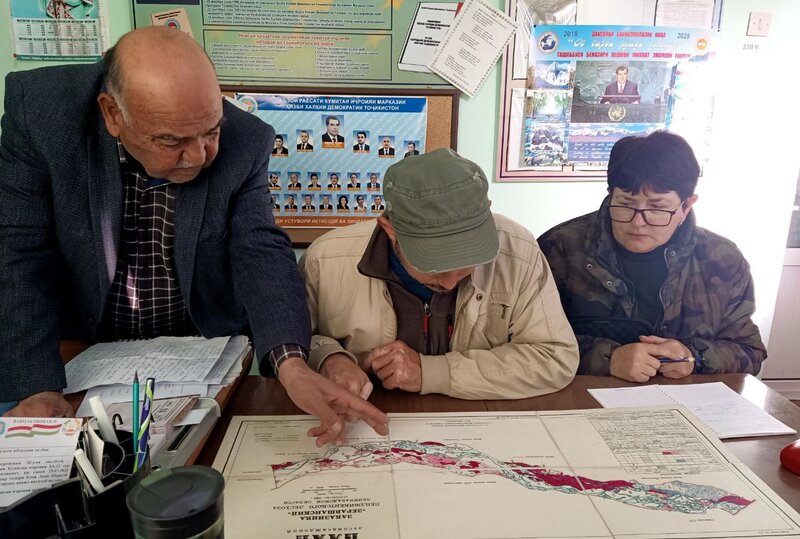
A major milestone of the project was the agreement of a Joint Action Plan for transboundary cooperation in the Zarafshan Valley, providing a framework for continued collaboration. Political partners further expressed commitment to formalizing cooperation through a Memorandum of Understanding between Uzbekistan and Tajikistan.
Two regional Samarkand Summer Schools equipped approximately ca. 50 young professionals and students from across Central Asia with GIS and Remote Sensing skills, strengthening regional expertise and professional networks.
The regional Human–Wildlife Conflict Conference in Almaty produced practical Proceedings including best practices and case studies from across Central Asia, strengthening knowledge exchange and providing protected area managers and policymakers with concrete tools to address Human-Wildlife Conflict in Central Asia.
The project is funded by GIZ within the framework of the regional project "Integrated and Climate-sensitive Land Use in Central Asia" (ILUCA).

Policy Brief: Climate change impacts on local land users in the Zarafshan Valley
- Policy Brief Climate Change Impact Zarafshan Valley_ENG
- Policy Brief Climate Change Impact Zarafshan Valley_TJK
- Policy Brief Climate Change Impact Zarafshan Valley_UZB
Policy Brief: Windows of opportunities for transboundary conservation in Zarafshan Valley
- Policy Brief Transboundary Cooperation Zarafshan Valley_ENG
- Policy Brief Transboundary Cooperation Zarafshan Valley_TJK
- Policy Brief Transboundary Cooperation Zarafshan Valley_UZB
Information Leaflet Amarant Amaranthus retroflexus_UZB
Information Leaflet Setaria italica: QO'NOQ YUQORI OQSILLI OZIQ-OVQAT VA YEM-XASHAK O'SIMLIGI
Leaflet Zarafshan National Park: ZARAFSHAN NATIONAL NATURE PARK
Leaflet Zarafshan National Park: ЗАРАФШАНСКИЙ НАЦИОНАЛЬНЫЙ ПРИРОДНЫЙ ПАРК
Leaflet Zarafshan National Park: ZARAFSHON MILLIY TABIAT BOG'I
Human-Wildlife Conflict in Central Asia
Manual use of camera traps - Танзимоти асосии бехтарини фотоловушкахои навъи Solaris
Manual use of camera traps - Solaris fotoqopqonlarining asosiy optimal sozlamalari
Round Table on transboundary cooperation in Zarafshan Valley
Proceedings Published: Human-Wildlife Conflict in Central Asia
Regional conference developed recommendations for human-wildlife conflicts in Central Asia
Monitoring-Trainings for rangers in the Zarafshan valley
2nd Samarkand Summer School 2025: Driving Innovation and Cooperation in Central Asia
Side Event at COP14 of the Bonn Convention (CMS)
Launch of cross-border project activities in the Zarafshan Valley between Tajikistan and Uzbekistan

Christian Welscher
Expertise: International environmental and nature conservation cooperation, protected area management
Tel +49 3834 8354 236