National Ramsar Strategy for Uzbekistan
Development of wetlands specific strategic documents for Ramsar sites in Uzbekistan: National Ramsar strategy for Uzbekistan and a management plan and visitor concept for Sudochye Ramsar site
Wetlands are among the most valuable ecosystems in drylands, providing vital ecological, cultural, and economic benefits. They play a crucial role in maintaining ecosystem health and community well-being by supporting biodiversity, contributing to livelihoods, and enhancing safety and sustainability for both the environment and local people.
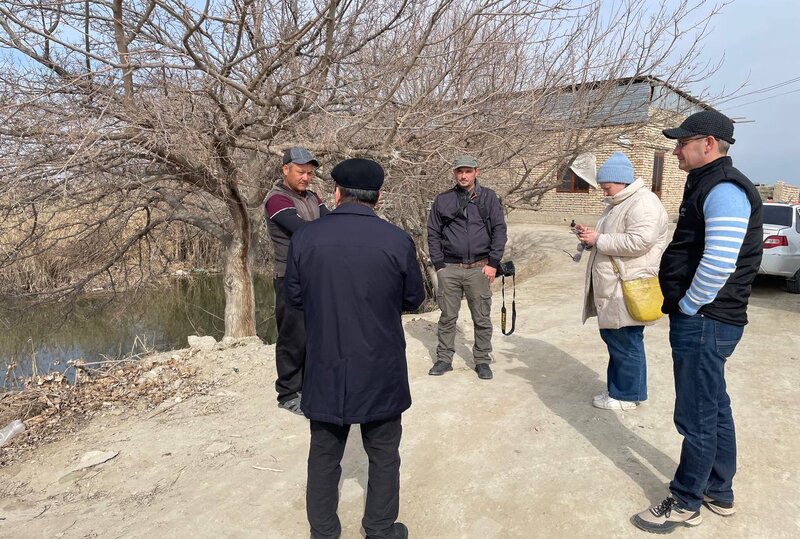
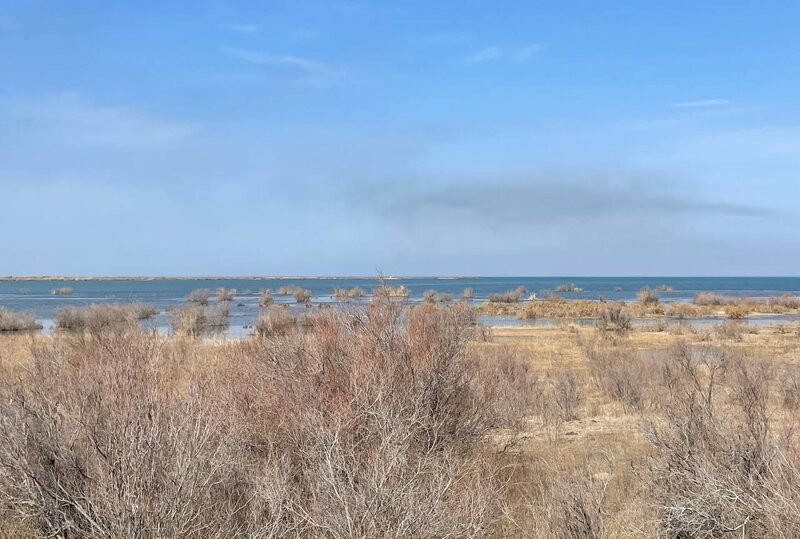
The Sudochye Lake System – A unique wetland in the Aral Sea region
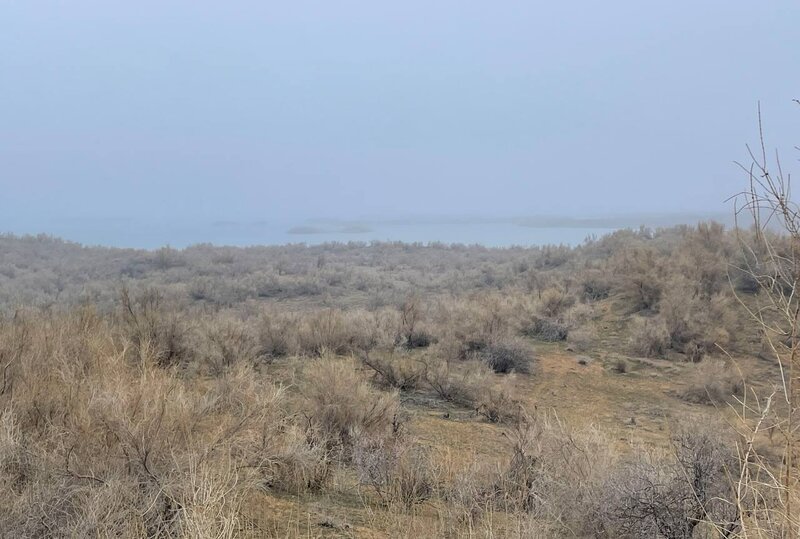
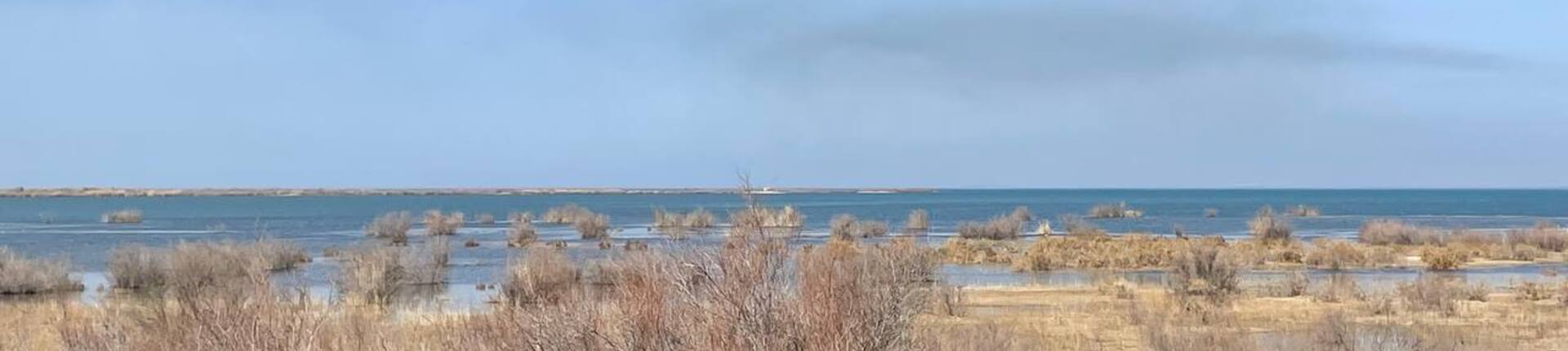
Being previously part of the Aral Sea, Sudochye Lake System is now a separated large shallow wetland that receives its water inflow mainly from Amudarya River and some irrigation canals. It’s rich but very specialized biodiversity features dense reedbeds, shrubs, salt marshes and saxaul woodlands (Haloxylon ammodendron, H. persicum) plantations, as well as some nationally threatened animal species, such as the Caracal (Caracal caracal, IUCN LC), Goitered gazelle (Gazella subgutturosa, IUCN VU) and Bulatamai barbel (Luciobarbus capito, IUCN VU). Besides that, Sudochye Lake System serves as a stopover and breeding area for birds on their migration route along the Central Asian flyway (under the AEWA). Furthermore, approximately 27% of the ornithological fauna of Uzbekistan has been monitored here.
Climate risk analysis for the preservation of the ecosystem
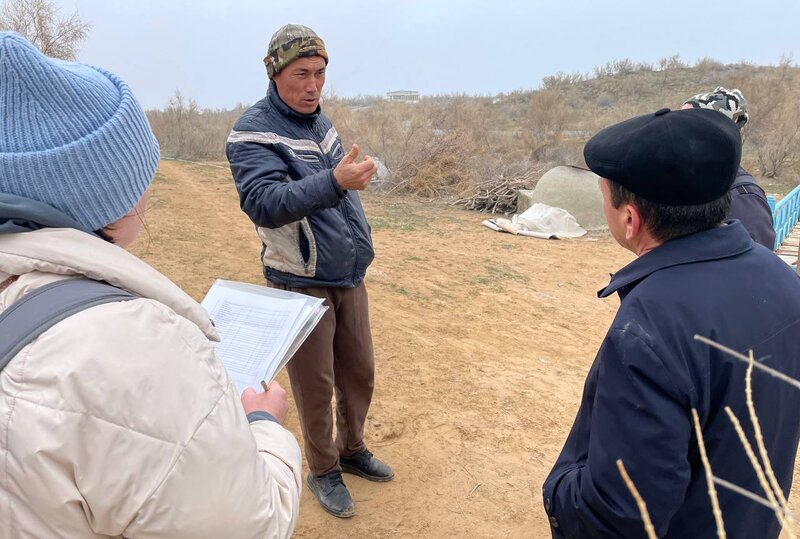
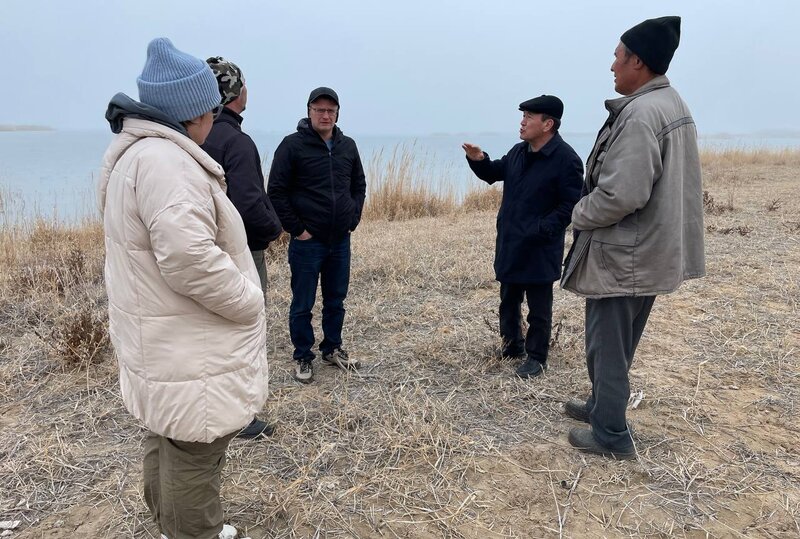
The need to adapt to climate change has not been systematically reflected in the management of Uzbekistan’s protected areas. Due to this, a climate risk analysis of Sudochye Lake System has been elaborated to analyse potential negative impact of climate change at the wetlands. Water condition, flora and fauna as well as human impact towards the ecological condition of the Ramsar site have been of particular interest of the assessment. Its results has been incorporated into the management plan of the site in order to safeguarding the fragile ecosystem in the Aral Sea region, combating desertification, promoting efficient and sustainable water resource management, and conserving and restoring biodiversity.
On request of the Uzbek Committee on Ecology and Climate Change we supported with:
- Development of a national Ramsar strategy for Uzbekistan’s five Ramsar sites, as neither a strategy for wetlands for Ramsar sites exist to date,
- Elaboration of an exemplary management plan for Sudochye Lake System that incorporates information and needs of an up-to-date Ramsar strategy to manage wetlands efficiently and sustainable,
- Elaboratation of a visitor concept for Sudochye Lake System in order to develop the region in sustainable and careful manner by gaining alternative income from tourism into the region, which is rather poor of income sources,
- Development of a curriculum on the preparation of Ramsar documents for the Green University, and the
- Conceptionalisation and conduction of a workshop for all Central Asian Ramsar Focal Points on CEPA (communication, capacity building, education, participation and awareness).
Within the framework of the International Climate Initiative (IKI), the German Federal Ministry for the Environment, Climate Action, Nature Conservation and Nuclear Safety (BMUKN) commissioned Deutsche Gesellschaft für Internationale Zusammenarbeit (GIZ) GmbH with the implementation of the project “Policy Dialogue and Knowledge Management on Climate Protection Strategies” (DIAPOL-CE), running from 03/2014 until 06/2025.


Development of wetlands specific strategic documents for Ramsar sites in Uzbekistan: National Ramsar strategy for Uzbekistan and a management plan and visitor concept for Sudochye Ramsar site
Location: Uzbekistan
Duration: January 2025 - November 2025

Jens Wunderlich
Expertise: World Heritage, Biosphere Reserves, cartography
Tel +493834 8354 224